
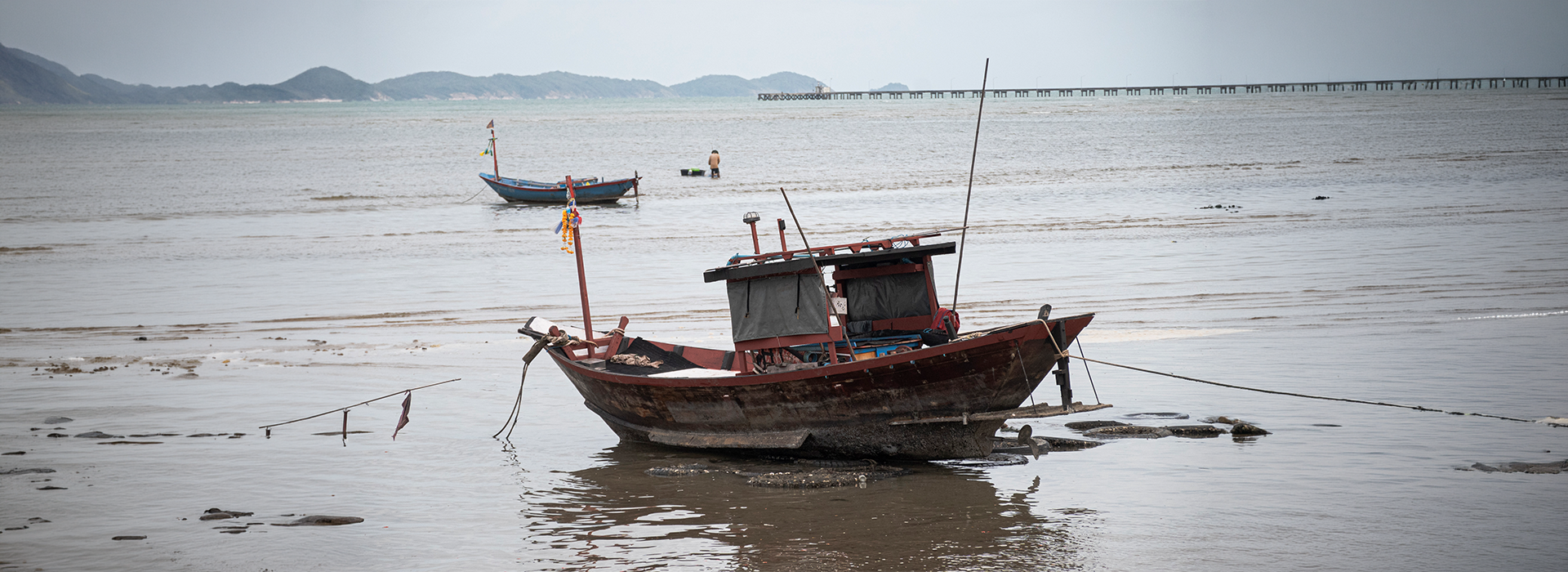
A Delightful Day in Rayong: Old Town Charm, Temple Heritage, and Coastal Nature
Rayong is often remembered for its beaches, islands, and fresh seafood. But beyond its coastline, this charming eastern province has a softer side waiting to be explored — old wooden houses, riverside communities, local flavors, sacred temples and peaceful coastal landscapes.
For this one-day trip, Pacific Leisure invites you to slow down and discover Rayong in a more meaningful way. Start the morning with a gentle walk through the old town, then spend the afternoon by the sea, surrounded by nature and local life.
Morning Walk: Yomjinda Old Street
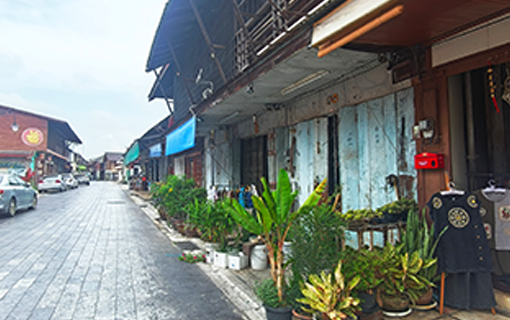
Yomjinda Road, Rayong Old Town: Some local shops and restaurants are closed on weekdays and open mainly on weekends, giving the old street a calm, slow-life atmosphere.
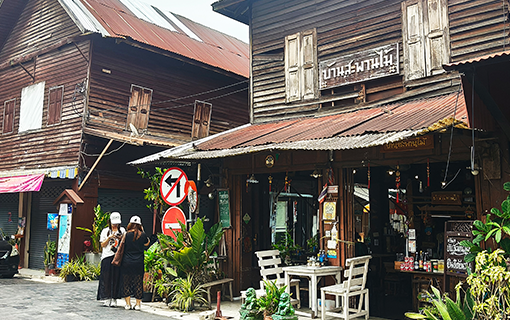
Baan Saphan Mai: A stylish local noodle shop that adds a charming contemporary touch to the heritage street.
Our journey begins in the heart of Rayong at Yomjinda Road, one of the city’s most charming old streets. This short and walkable road is lined with traditional wooden houses, half-wooden shophouses and old riverside buildings that reflect the memories of Rayong’s trading past.
Today, many of these heritage buildings have been lovingly adapted into local restaurants, noodle shops, cafés, small boutiques and souvenir stores. Walking here is not only about sightseeing, but also about supporting local businesses and helping keep the old town alive.
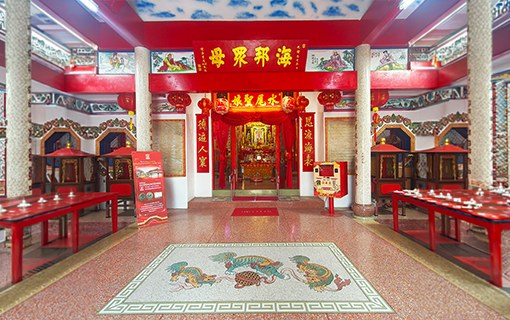
Chao Mae Tubtim Shrine: An old riverside Chinese shrine on Yomjinda Road, reflecting the multicultural roots of Rayong’s old community.
A highlight of the area is the Rayong Old Town Museum, a modest but meaningful community museum that tells the story of Rayong through everyday objects, local photographs and memories from the past
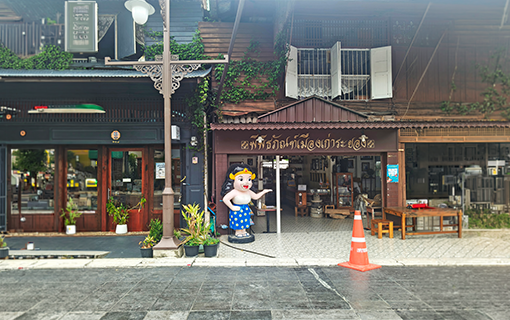
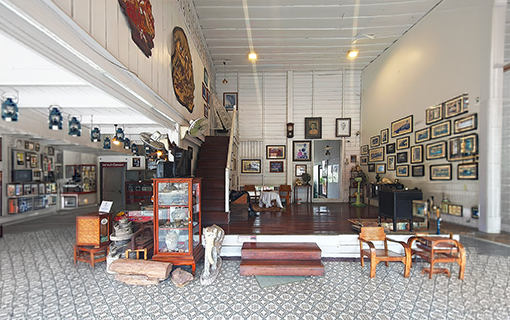
Rayong Old Town Museum: A small community museum on Yomjinda Road, located beside the Rayong River, sharing the stories and memories of the old town.
It is simple, sincere and full of character — exactly the kind of place that helps visitors understand the identity of a destination.
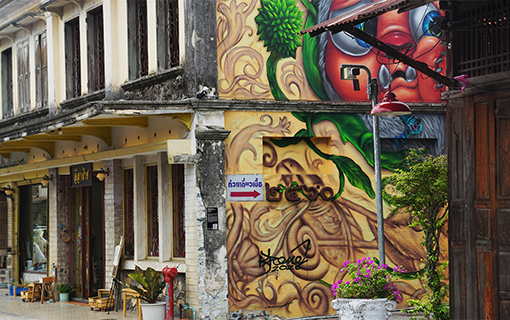
Street Art on Yomjinda Road: Hidden wall art can be found in small alleys, adding creativity and character to the heritage walk.
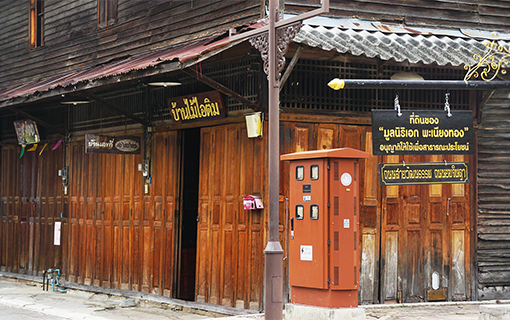
Baan I-Tim: A charming wooden house on Yomjinda Road, known for its nostalgic atmosphere and old-town appeal.
For lunch, stop at a local restaurant such as Rong Tiam, known for its warm atmosphere and local-style dishes, including Pad Thai with cha muang leaves — a flavor that reflects Rayong’s local ingredients and culinary creativity.
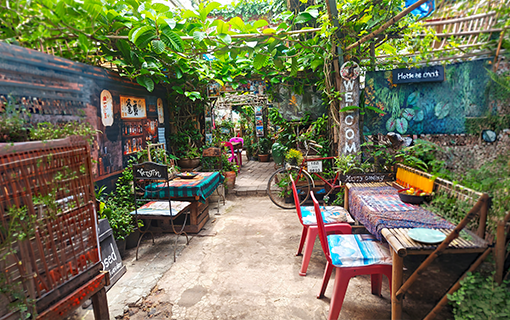
Rong Tiam Restaurant: A peaceful and leafy local restaurant, perfect for a relaxed lunch during the old town walk.
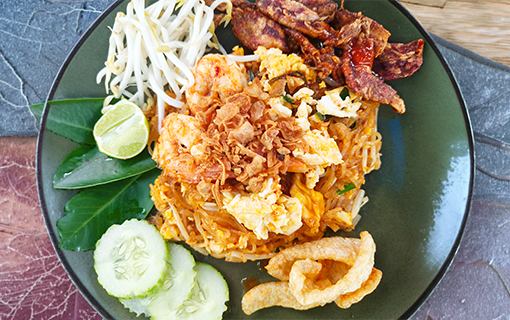
Rong Tiam Pad Thai: Seafood Pad Thai served with crispy squid, offering a flavorful taste of Rayong’s local ingredients.
Cultural Stop: Wat Pa Pradu
After exploring the old town, continue to Wat Pa Pradu, an important old temple in Rayong town. The temple dates back to the Ayutthaya period and remains a beloved spiritual landmark for local people.
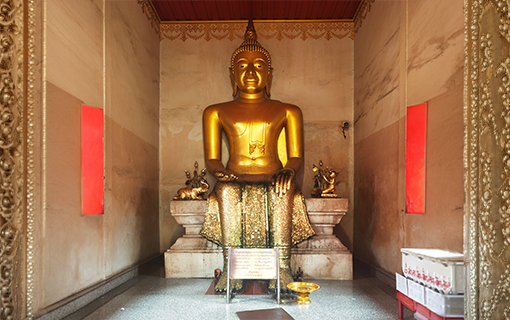
Phra Pang Pa Lelai at Wat Pa Pradu: A sacred Buddha image enshrined inside Wat Pa Pradu, one of Rayong’s important historic temples.
The most famous highlight here is the reclining Buddha image inside the viharn. Unlike most reclining Buddha images in Thailand, this sacred Buddha reclines on the left side, with a gentle and peaceful expression. The image gives a sense of calmness and compassion, inviting visitors to pause, reflect and make merit with respect.
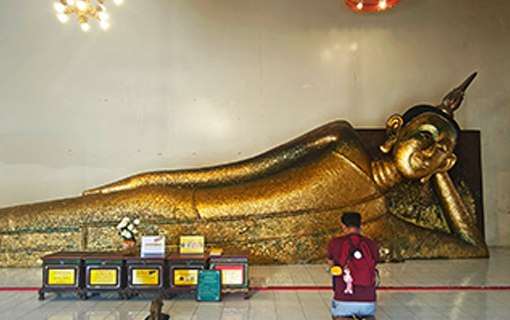
Reclining Buddha at Wat Pa Pradu: The temple’s famous reclining Buddha image, uniquely resting on the left side with a serene expression.
Another local belief connected to the temple is the tradition of passing beneath the old ordination hall, which many locals believe brings good fortune, good health and protection.
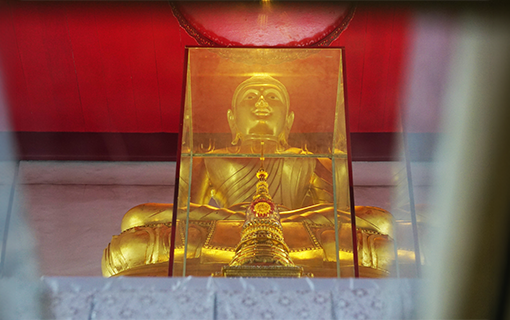
Passing Beneath the Ordination Hall: A local spiritual tradition at Wat Pa Pradu, where visitors pass beneath the ubosot and look up to see the Buddha relics and principal Buddha image.
Whether viewed as faith, culture or local wisdom, this experience offers a meaningful glimpse into Rayong’s living traditions.
Afternoon by the Sea: Khao Laem Ya – Mu Ko Samet National Park
From the city, travel around 30 kilometers to Khao Laem Ya – Mu Ko Samet National Park, a beautiful coastal area where nature, sea breeze and scenic walking trails come together.
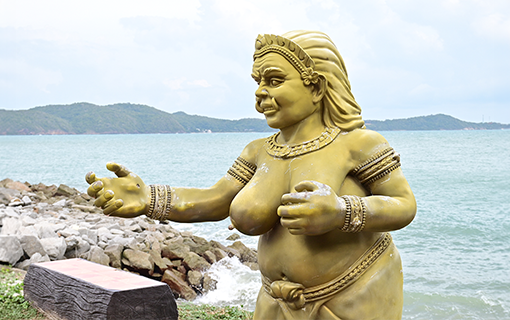
Giantess Sculpture by the Sea: A coastal sculpture at Khao Laem Ya – Mu Ko Samet National Park, adding a mythical touch to the seaside landscape.
This destination is easy to enjoy for visitors of all ages. One of its most impressive features is the seaside boardwalk, a wooden and glass pathway stretching along the coast for approximately 1.4 kilometers.
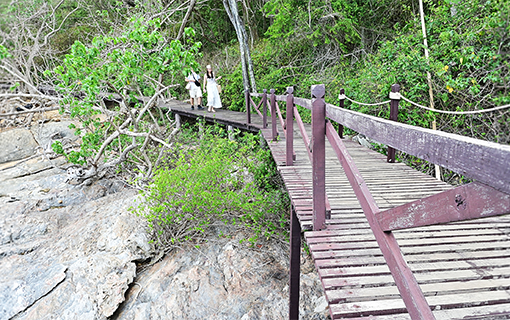
Seaside Wooden Boardwalk: A scenic walking path along the sea at Khao Laem Ya – Mu Ko Samet National Park
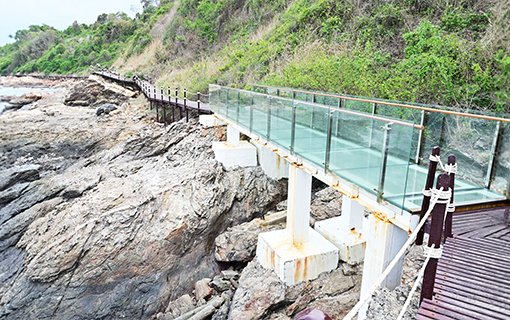
Glass Section of the Coastal Walkway: Some parts of the seaside boardwalk feature glass flooring, offering a closer connection to the coastal view.
The trail leads around the rocky cape and up toward a viewpoint, offering beautiful views of the sea and Ko Samet in the distance.
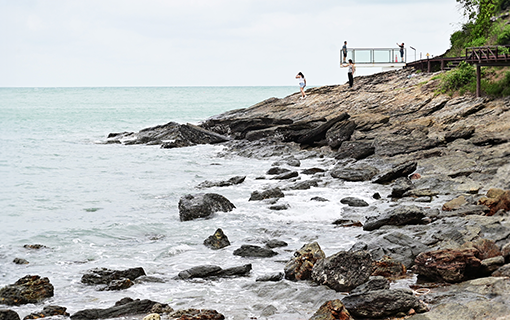
Boardwalk Around the Cape: The walking trail continues along the rocky cape, where visitors can enjoy the sea breeze and open views.
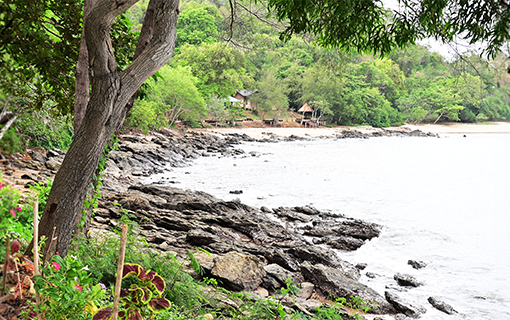
Rocky Shoreline and Beach Camping Area: A beautiful coastal camping spot at Khao Laem Ya – Mu Ko Samet National Park, surrounded by rocks, sand and sea.
The area also has a beachside camping zone, a national park office, cafés and food services, making it suitable for a relaxed afternoon stop. The rocky cape is also a popular photo spot, with the blue sea and Ko Samet as a natural backdrop.
As this is a national park area, responsible travel is important. Visitors are encouraged to keep the area clean, avoid feeding wildlife and respect the natural environment. There are monkeys in some areas, so it is best to keep food and belongings secure and observe them from a safe distance.
Final Stop: Ban Phe 100-Year Market
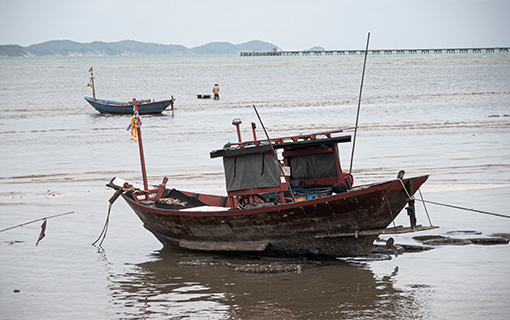
Small Fishing Boat at Ban Phe Beach: A peaceful local fishing scene, with Ko Samet visible in the background.
Before returning, end the day at Ban Phe 100-Year Market, a seaside market community known for local products, seafood and seasonal fruits.
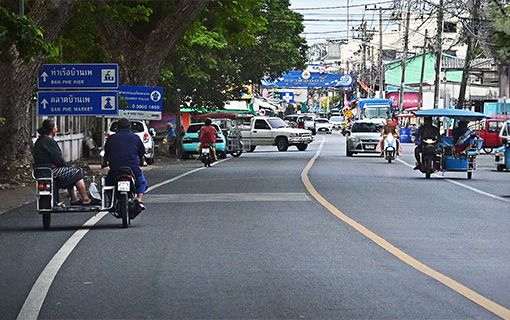
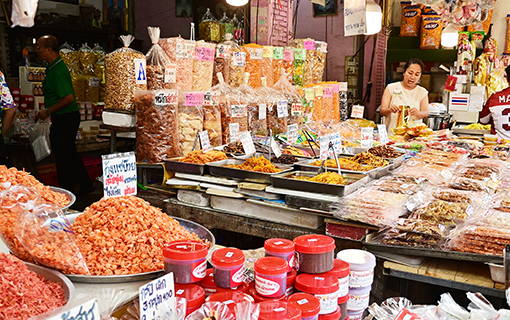
Ban Phe Market: A seaside local market known for seafood products, seasonal fruits and community charm.
Visitors can walk through the old market area, shop for dried seafood, local snacks and fresh fruits such as rambutan, durian and mangosteen when in season.
This final stop is a simple but meaningful way to support local vendors and bring home a small taste of Rayong.
A Meaningful One-Day Escape
Rayong is more than a beach destination. In just one day, visitors can experience the charm of an old community, pay respect at a historic temple, walk along the sea in a national park, and support local markets before heading home.
This is the kind of journey Pacific Leisure believes in: travel that is easy, enjoyable, and meaningful, while connecting visitors with local culture, community heritage, and the natural beauty of Thailand.
Ready to discover Rayong beyond the beaches? Let Pacific Leisure take you on a meaningful one-day journey through old town heritage, local community life, sacred temples, and coastal nature.
Travel with purpose. Smile with Rayong. Contact Pacific Leisure to design your next community-based and eco-conscious travel experience in Thailand.
Rayong smiles quietly — through its old streets, sacred temple, sea breeze and warm local life.
Editor in Chief : Nampetch Siramanon
Editor: Pacific Leisure (Thailand)
Content Creator : Mr. Saroj Na Ayutthaya
Navigate
Terms & Privacy
Pacific Leisure (Thailand) Limited
No. 888/154, Mahatun Plaza Bldg., 15th Floor,
Ploenchit Road, Lumpini, Pathum Wan,
Bangkok 10330, Thailand
Phone : +66 22 542 966
Mobile : +66 63 224 1384, +66 81 138 2983
Email : info@pacificleisureth.com
Website : https://www.PacificLeisureTH.com
(TAT) Licensed No: 11/00161